QUICK ANSWER
Compare mileage only after matching units, dates and reporting status. A lower number is a discrepancy to investigate; it is not enough on its own to establish odometer fraud.
Preserve the original reading
For every observation, write down the number, unit, date and source wording. Keep “actual”, “not actual” or another reported status alongside the reading. A numeric field alone loses that context.
Do not overwrite the original number with a conversion. Store both, and label which value is calculated. One mile equals 1.609344 kilometres; rounding should be visible in a comparison rather than treated as a second recorded measurement.
Resolve simple mismatches first
An example: 100,000 miles is about 160,934 kilometres. A later listing showing 161,000 kilometres is consistent after rounding; it is not a dramatic mileage increase. By contrast, a later entry of 80,000 miles remains an unexplained difference until the source and supporting evidence are checked.
| Observation | Comparison note |
|---|---|
| 100,000 mi on an earlier record | Approximately 160,934 km |
| 161,000 km on a later record | Consistent with the rounded conversion |
| 80,000 mi on a later record | Requires clarification; do not silently discard it |
Build a dated evidence chain
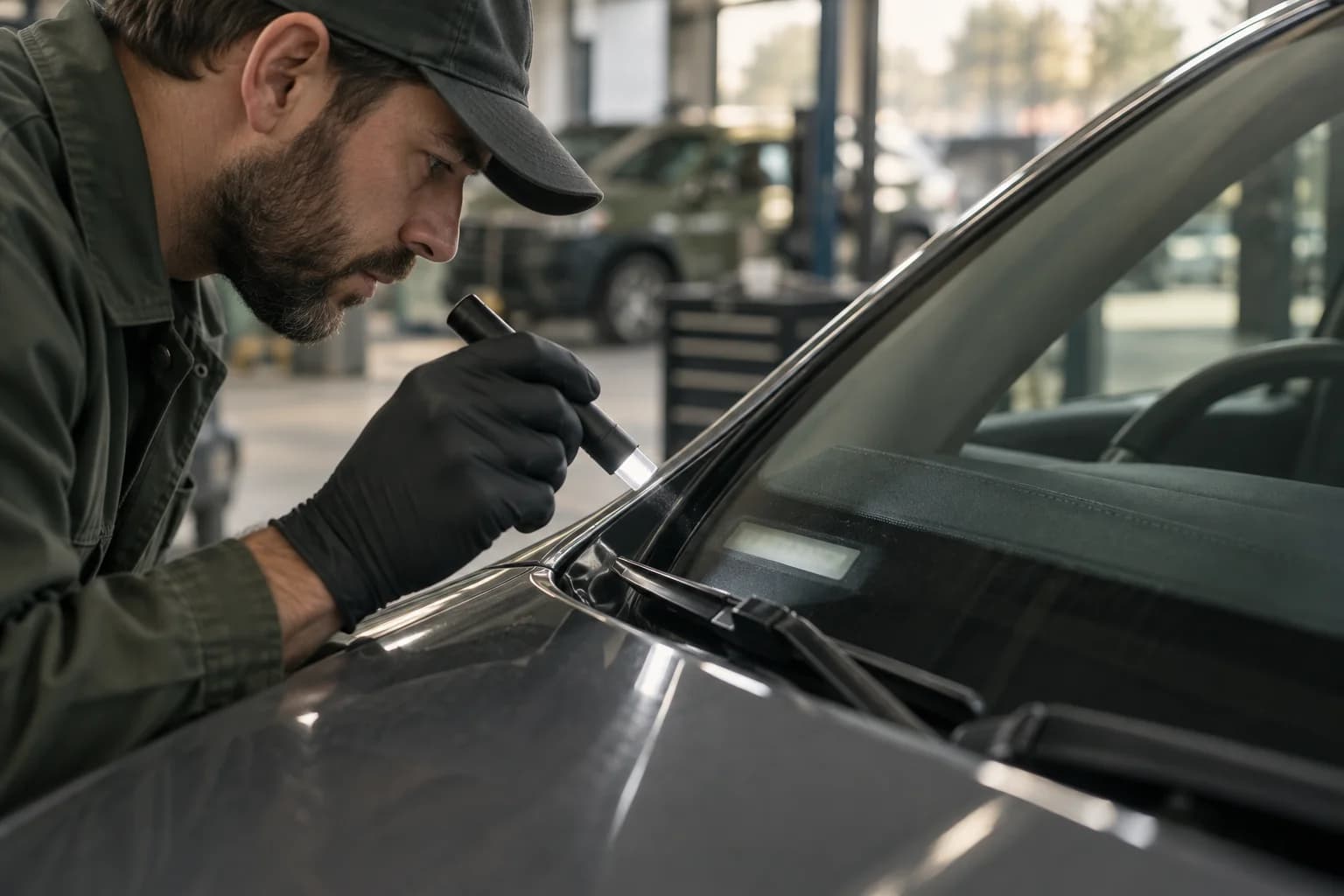
Compare auction entries with available service records, inspection records and odometer photographs. NHTSA recommends comparing the odometer reading with documentation when investigating possible discrepancies. Use the documents themselves when available, not just an advert’s summary of them.
Ask whether an instrument cluster was replaced and request the dated documentation if that is the explanation. A verbal explanation is not the same as a record that reconciles the before and after readings.
Use wear as context, not a mileage calculator
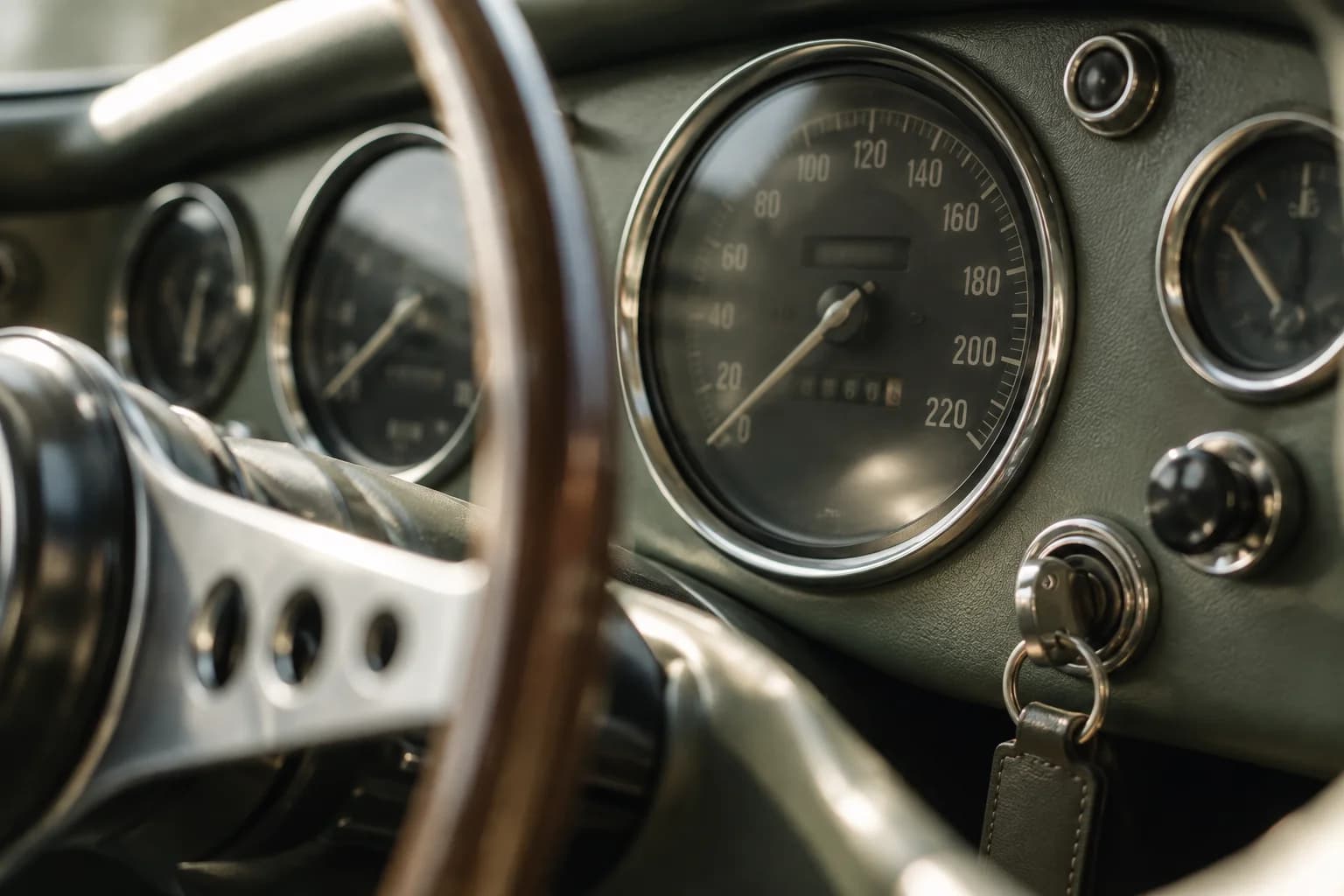
Interior wear can suggest questions, but it cannot tell you an exact distance. Parts may have been replaced and usage conditions vary. Treat a mismatch between claimed mileage and apparent wear as another reason to inspect and request records.
Keep unresolved differences in the final purchase notes. If the car is priced as a low-mileage example, an unsupported mileage claim can materially change the comparison even before the mechanical inspection is considered.
Before you decide
- Record number, unit, date and status.
- Keep original and converted values separate.
- Compare documents and dated odometer photos.
- Ask for evidence behind any replacement-cluster explanation.
- Do not advertise an unresolved reading as verified mileage.
Common questions
How do I convert miles to kilometres?
Multiply miles by 1.609344 and label the result as a conversion.
Can a lower later reading be a data error?
Yes. Verify the source, unit and documents before reaching a conclusion.
Sources & scope
Primary sources checked on October 9, 2026. Platform rules and jurisdiction requirements can change; verify the conditions applicable to your transaction. Examples and checklists are editorial suggestions.
Start with a specific VIN
Apply the guide to the vehicle records available in our archive.